
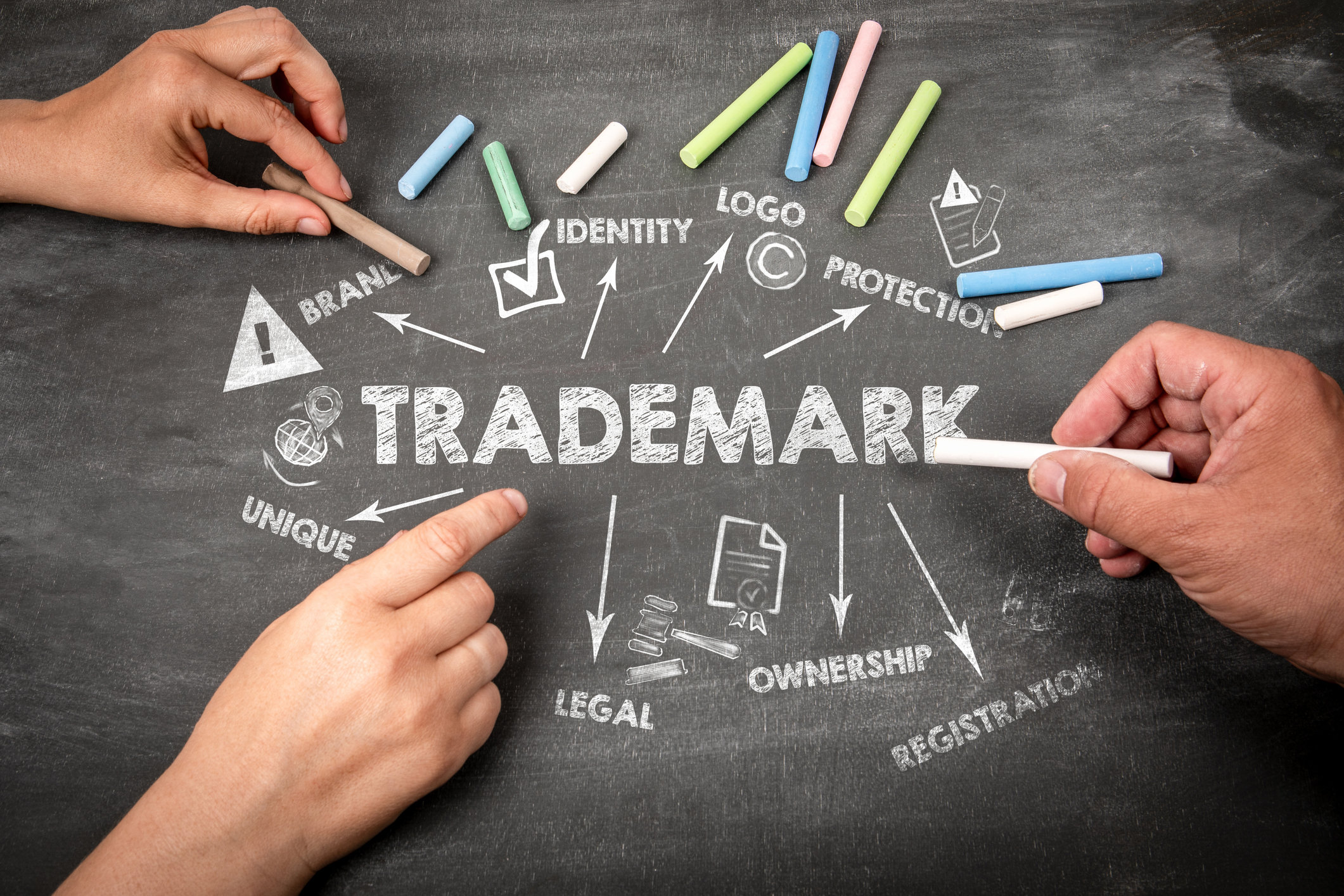
Whether you are filing a federal trademark application or maintaining an existing registration with the USPTO, you must provide proof of use in commerce. This evidence, called specimens, must show how your mark is actually used in real-world commerce for the specific goods or services listed in your application or registration. The USPTO has strict rules defining what counts as acceptable proof of use. This guide explains those rules in plain English and illustrates the most common pitfalls, so you can avoid delays, refusals, and loss of rights.
What does “Use in Commerce” Mean?
To the USPTO, “use in commerce” means your mark is currently being used to sell or advertise the listed goods or services across state lines or in a way that Congress can regulate. As part of the process of applying for a trademark or maintaining an existing registration, a trademark owner must provide evidence of current (not historic or conceptual) use in commerce. Your proof must show current use of the full mark, the goods or services offered, and a clear connection between the two. If any of these elements are missing, the USPTO will not accept the specimen as proof of use in commerce and will determine that your mark fails to function as a trademark (or service mark), making it ineligible for federal registration.
Goods: What Counts as Acceptable Proof of Use?
For physical products, your specimen must show the mark on the goods, on packaging, or on displays associated with the goods at the point of sale. The USPTO must see how your mark is used exactly as consumers encounter it when buying the product.
Acceptable examples:
- Your mark printed on the product itself
- Labels or tags affixed to the product
- Packaging that shows the mark and identifies the goods inside
- A product webpage that includes the mark, a photo or clear description of the goods, and a means to purchase the goods (e.g., “Add to Cart,” price, ordering link)
Unacceptable examples (very common mistakes):
- A label or tag not attached to anything
- A logo floating by itself with no product shown
- A webpage with no ordering information
- Brochures or ads (these are NOT acceptable for goods)
- Mockups, prototypes, or concept art
Services: What Counts as Acceptable Proof of Use?
For services, the USPTO accepts advertising or promotional materials, but only if they clearly create a direct association between the mark and the service. Direct association means that a consumer looking at your specimen should be able to understand exactly what service is being offered and that your mark identifies the source of that service. If that connection isn’t explicit, the USPTO will reject the specimen.
Acceptable examples:
- Website pages describing your services with the mark prominently displayed
- Brochures, flyers, and ads that show both the mark and the services offered
- Signage or photos showing the mark used in connection with the service
- Menus, rate sheets, or printed marketing materials identifying the service
Unacceptable examples:
- A webpage showing only your logo with no service description
- A business card with just your name and the mark, but no explanation of the service
- A social media post that uses the brand name but does not reference the service
Why Specimens Get Rejected
Most rejections are due to the following reasons:
- The specimen shows the mark but not the goods/services
- The specimen shows the goods/services but not the mark
- The specimen is purely branding, not commercial use
- The applicant submits mockups, not real-world evidence
- The service referenced does not match the service listed in the registration
- The goods/services are not actually being offered under the mark
Best Practices for Avoiding Problems
To avoid specimen refusals:
- Keep real-world photos of products and packaging
- Save dated screenshots of service webpages
- Review your registrations annually to ensure listed goods/services reflect reality
- Avoid using your mark only in social media headers or as decorative text
- Ask your trademark attorney for guidance and assistance in submitting materials to the USPTO. Early guidance is much cheaper than responding to a rejection later.
Summary
Acceptable proof of use must show:
- Your actual mark
- How it is used today
- On or with the specific goods
- Or in the advertising of the specific services
- In a way consumers encounter in real commerce
If the specimen doesn’t clearly tie the mark to the goods/services, the USPTO will not accept it.
Understanding these rules helps protect your brand, reduce filing costs, and avoid application refusals or deletions during post-registrations audits. We’re here to help you evaluate your evidence and choose the best strategy for obtaining and maintaining your trademark registration.