
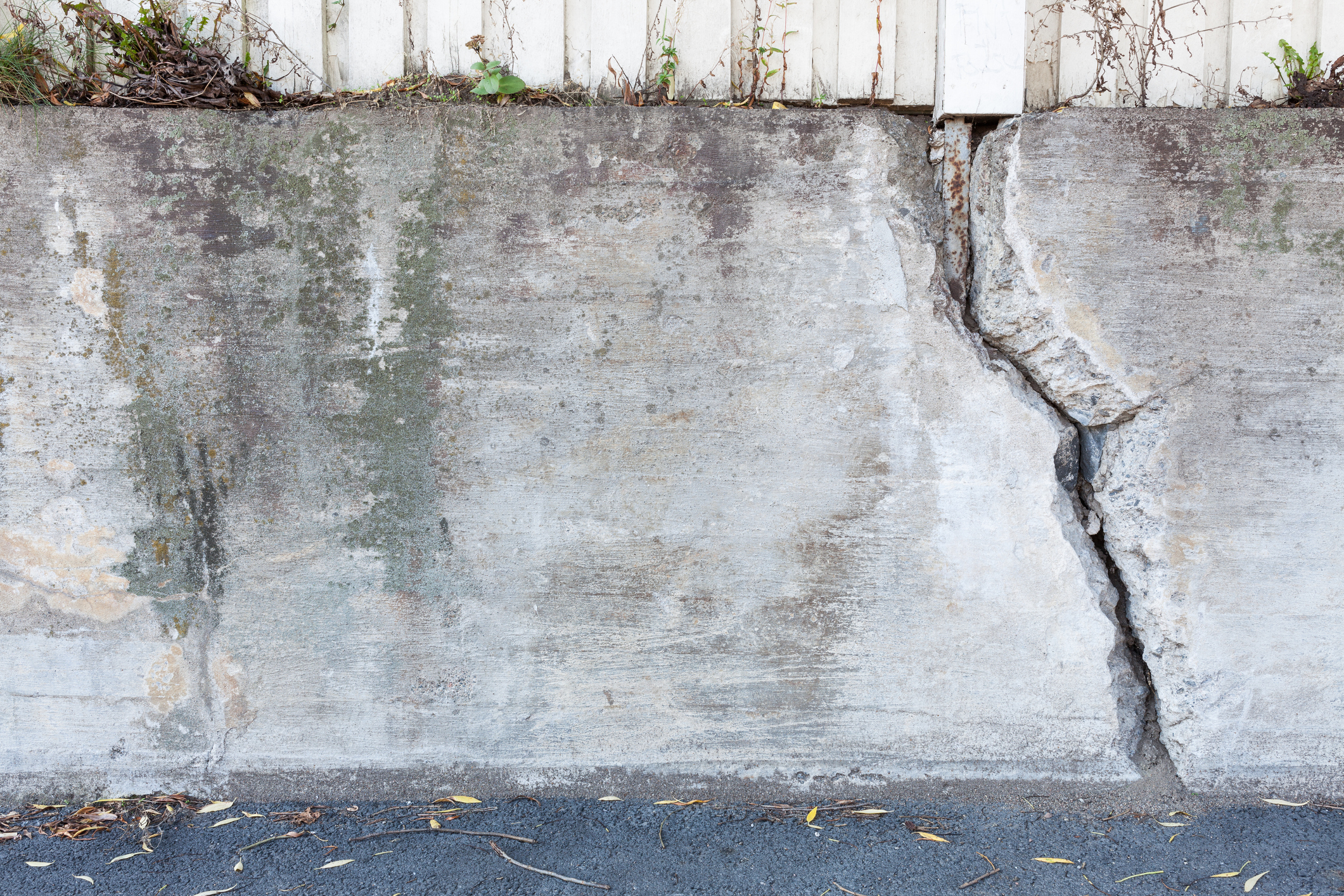
Every spring, many property owners are shocked to discover new cracks or structural movement caused by winter freeze-thaw cycles. Shifting foundations, cracked concrete, damaged pool decks, and new drainage issues are all common problems for property owners in cold-weather states like Minnesota and Wisconsin.
While some earth movement or cracking may be normal, severe damage can be a sign of a construction defect. When contractors fail to properly prepare soil, install adequate drainage, or follow building standards, the result can be expensive structural problems that appear months or years later.
If you are dealing with expensive cracked concrete or a shifting foundation around a home, commercial building, or pool deck, an experienced attorney can help determine whether your contractor or builder may be responsible.
This guide explains:
-
Why concrete cracks in Minnesota and Wisconsin
-
When cracked concrete may qualify as a construction defect
-
When you may be able to sue a contractor or builder
-
How a construction defect attorney can help recover repair costs
Why Concrete Cracks in Minnesota and Wisconsin
One of the most common causes of concrete movement in northern states is frost heaves. Frost heaves occur when water trapped in soil freezes during winter and expands upward. The expanding ice and water push soil against the bottom of concrete slabs or building foundations, causing the concrete or foundation to lift, shift, or crack.
When temperatures rise again in the spring, the soil settles unevenly, leaving concrete slabs, footings, and building foundations misaligned or damaged.
Common signs of frost-related concrete problems include:
-
Large cracks in pool decks or patios
-
Uneven surfaces (common frost heaves as often seen in roads)
-
Concrete slabs lifting near foundations or footings
-
Separation between concrete surfaces and buildings
-
Water pooling around damaged areas or new drainage issues
Concrete installed correctly can often withstand these forces. However, when contractors fail to properly prepare the site or follow building standards, winter weather quickly exposes the defect.
When Damage from Frost Heaves Is a Construction Defect
Not every crack or frost heave constitutes a legal claim. Concrete slabs and foundations naturally develop small surface cracks as they cure and age. However, significant damage or earth movement may indicate improper construction.
Damage from winter freeze-thaw cycles may qualify as a construction defect when it results from:
Poor Soil Preparation
Before pouring concrete, contractors should remove unsuitable soil, such as clay, and install a compacted gravel base. Without proper preparation, slabs can sink or shift dramatically.
Improper Drainage
Water beneath concrete increases frost pressure. Poor grading, missing drainage systems, or improperly placed downspouts can trap water under the slab.
Insufficient Reinforcement
Concrete may require reinforcement such as:
-
Steel rebar
-
Wire mesh
-
Fiber reinforcement
Without reinforcement, slabs are more likely to crack from pressure caused by natural freeze-thaw cycles.
Missing Expansion or Control Joints
Concrete expands and contracts during temperature changes. Expansion joints allow movement without structural cracking.
Improper Concrete Mix or Installation
Low-quality concrete or improper curing techniques can weaken slabs and cause premature cracking.
When these mistakes occur, an experienced legal team can help determine whether the contractor violated building standards or contractual obligations.
When Property Owners May Be Responsible for Damage Caused by Frost Heaves
Not all damage is a construction defect.
Property owners may be responsible for repairs if the damage results from:
-
Landscaping changes that trap water near slabs or push water back toward the home or commercial building
-
Poor maintenance of drainage systems
-
Natural soil movement over time
Even when environmental conditions contribute to damage, defective construction may still play a role. That is why a professional investigation is often required.
What Compensation May Be Available
If a contractor is responsible for cracked concrete or structural damage, property owners may recover financial compensation.
Damages in construction defect cases may include:
-
The cost to repair or replace the damaged property
-
Structural repairs to affected buildings
-
Loss of property value
In commercial cases, businesses may also recover:
-
Lost revenue
-
Business interruption losses
Construction defect litigation can involve substantial financial recovery when structural damage is severe or disrupts business operations.
If you or someone you know has been affected by frost heaves, a shifting foundation, broken or cracked concrete, or new water drainage issues, contact Jack Edell at jedell@hjlawfirm.com or 952-460-9259. In 2025,
Jack was awarded the Hennepin County Bar Association’s “Outstanding New Lawyer Award” and was named to Minnesota’s Super Lawyers Rising Star List.